Loading... 0%
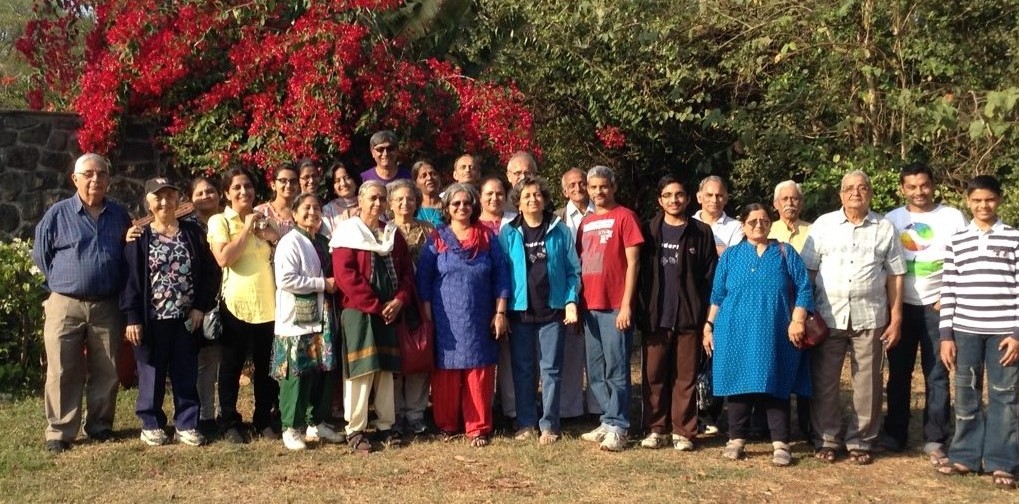
Origami Mitra is a group of Origami enthusiasts of all ages and from all backgrounds united by their
passion
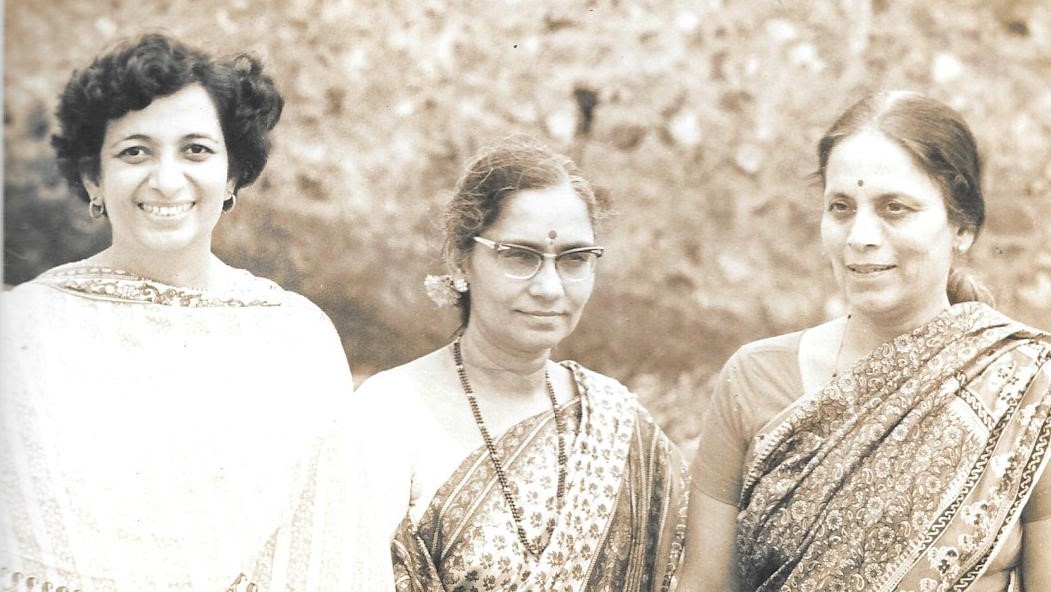
for paper folding. The group was informally started by Late Mrs. Indutai Tilak and Mrs. Gita
Kantawala.
The
goal is to spread awareness of Origami and its simple joy and its ample benefits to as large an
audience
as
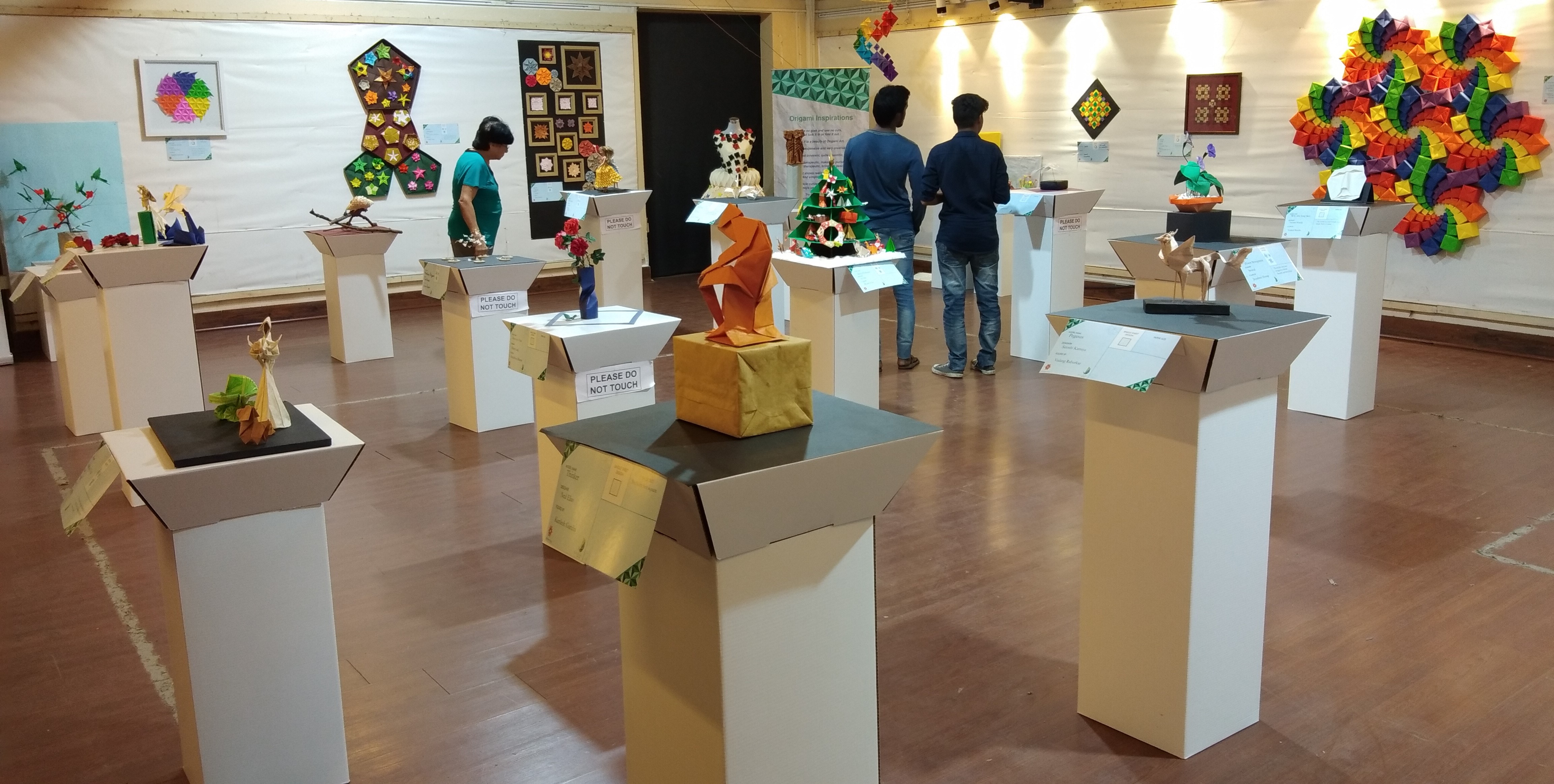
possible. With this in mind Origami Mitra organises exhibitions every year where we not only exhibit
our
art
work, but also conduct workshops for the general public. The annual exhibitions now go by the name
of
Wonderfold.
The group has two branches one in Mumbai and one in Pune. The members are interested in various
types of
origami which makes our group collectively good at several fields of Origami. Our regular ongoing
activities
include regular meetings, folding Sundays and Camps.
A lot of the members are interested in the academic study of origami including its basis in
mathematics
as
well as the applications of origami in fields of engineering, technology, architecture, product
design,
scientific research, mathematics research, etc. These members study these topics and also give talks
in
colleges, science centres and other educational places.
The group, was founded in 1981 by Late Mrs. Indutai Tilak and Mrs. Gita Kantawala. The members are
interested in various types of origami which makes our group collectively good at several fields of
Origami.
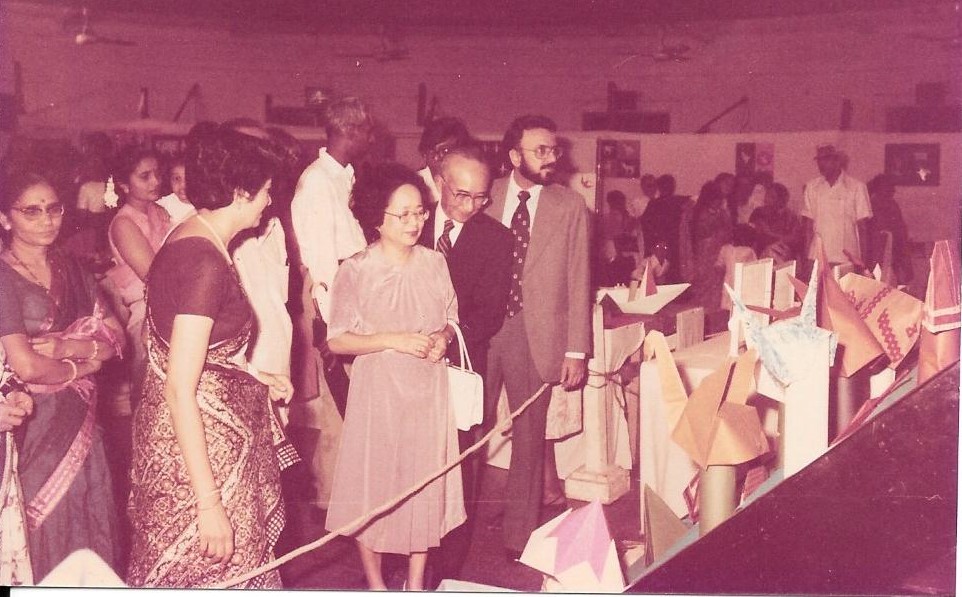
Our first exhibition was held in September 1981 at the CJ Hall (currently the NGMA) where Mrs. Sudha
Kulkarni (art teacher from the New Era School, Mumbai) and Mr. Joshi (from Pune) also participated.
At the time the group collectively put up nearly 2000 models, of which the major attractions were
Prince Charles’ and Princess Diana’s wedding scene, different kinds of boats, masks, pyramids and
penguins on icebergs. After 1981, Indutai Tilak and Gita Kantawala taught this art at many
institutions in Mumbai like S.N.D.T., Schools, Lions club, etc. They also conducted courses for
teachers in municipal schools and Indutai Tilak was responsible for incorporating origami as a part
of the syllabus in the schools.
Over the years, members of Origami Mitra have conducted several workshops in rural and interior
Maharashtra in addition to the workshops conducted in urban areas. These workshops and classes are
conducted on request and are held for all audiences consisting of students, professionals,
homemakers, young children, adults, and anyone who is interested.
In the years after its inception, events organised by Origami Mitra have been graced by several
accomplished international origami professionals, including Saburo Kase (a blind origamist from
Japan) in 1982 and 2002, Tomoko Fuse (Japan), David Brill (U.K.) and Tricia Tait (U.S.A.) in 2006,
John Montroll, and more recently, Meenakshi Mukerji in 2014 and Paul Jackson & Miri Golan in 2019.
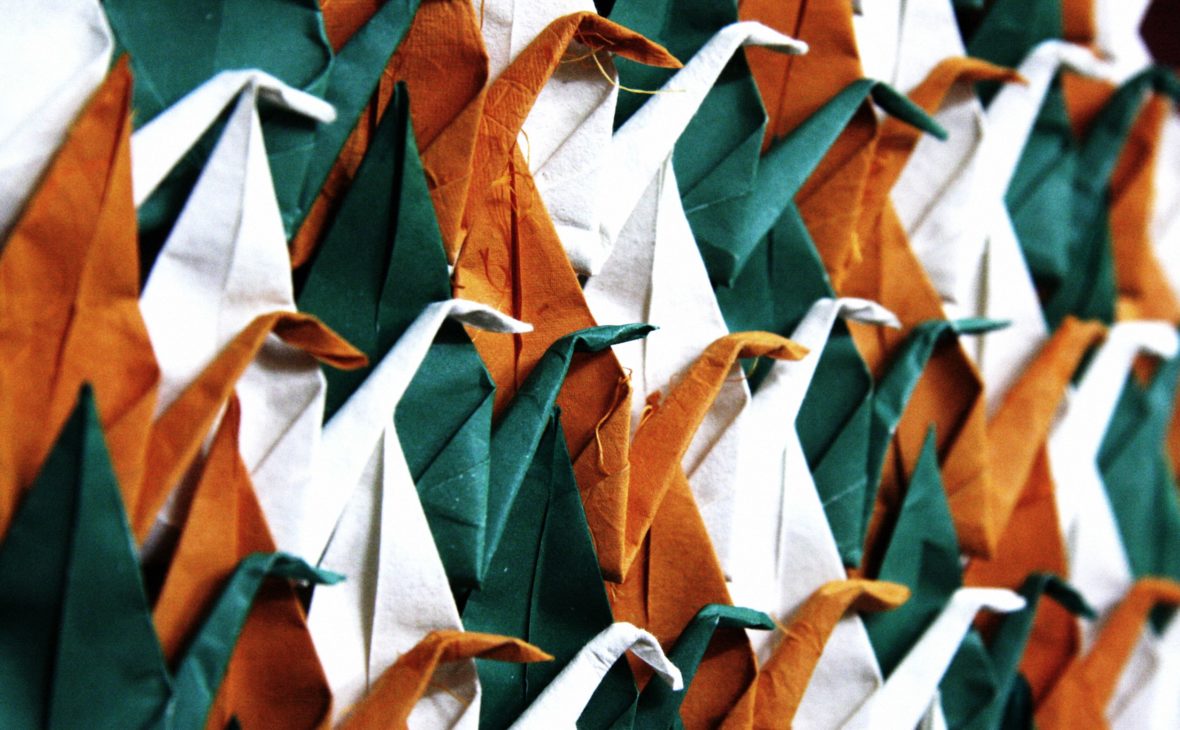
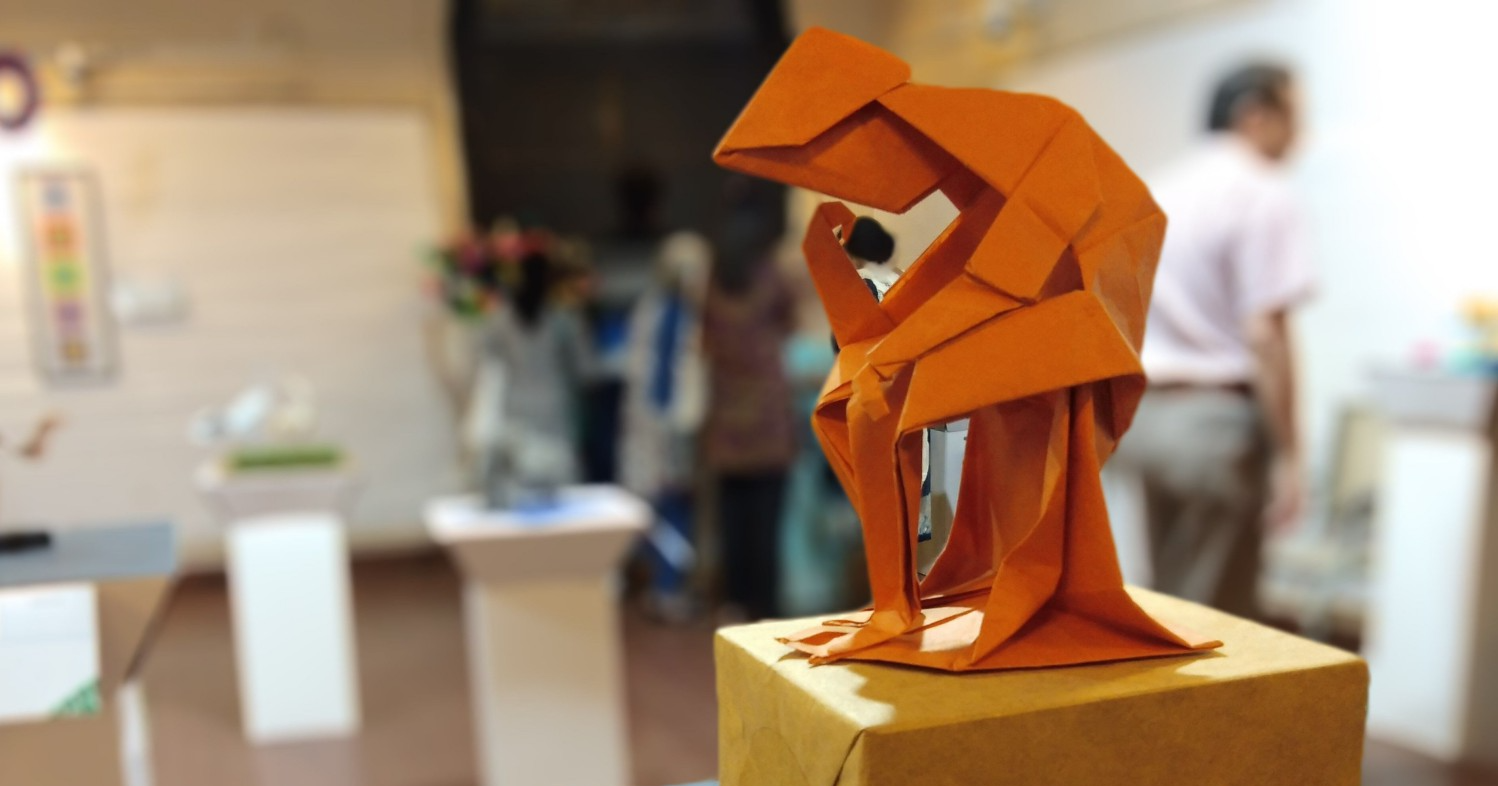
Origami is the art of paper-folding. In origami, the goal is to take a flat sheet of paper and fold
it into a form or pattern, without cutting the sheet and without using adhesive. Most origami pieces
use square sheets of paper to start with, though it is common to see the use of rectangles, regular
hexagons, and equilateral triangles. It is also common to see origami done with different types of
fabric and even plastic sheets. While it is thought to have originated in Japan, and is still
associated with Japanese culture, it is now a well-advanced global art form with active communities
in every part of the world.
Over the past few decades, origami is increasingly used and applied in the fields of Product Design,
Art and Architecture, Space and Rocket Technology, Bio-medical Engineering, Automobile Engineering
and Academic Research.
At a more personal level, Origami has been proven to be a therapeutic hobby and is commonly
recommended to help with anxiety, attention spans and focus, relaxation, self-esteem as well as
tolerance and perseverance.